
News
Native Landscaping for Texas Acreage: Low-Water Plants, Deer-Resistant Ideas, and a Starter Plant List
Texas summers can be hot, and after the dry conditions many Texans have seen in recent years, more acreage owners are thinking about landscaping earlier in the planning process.
If you are planning to build a custom home on your land, the question is simple: what can you plant that looks good, uses less water and holds up in Texas weather?
That’s where native landscaping for Texas acreage makes sense.
At Republic Grand Ranch in Willis, Texas, a Patten Properties community, many owners think about outdoor living as part of the overall vision for their homesite. Landscaping helps shape how the property feels, functions, and fits into the surrounding forested landscape.
For this blog, Patten Properties draws on the Living with the Land guide, designed to help Republic Grand Ranch owners select native plants that fit the terrain, the North Houston climate, and the way families use their outdoor spaces.
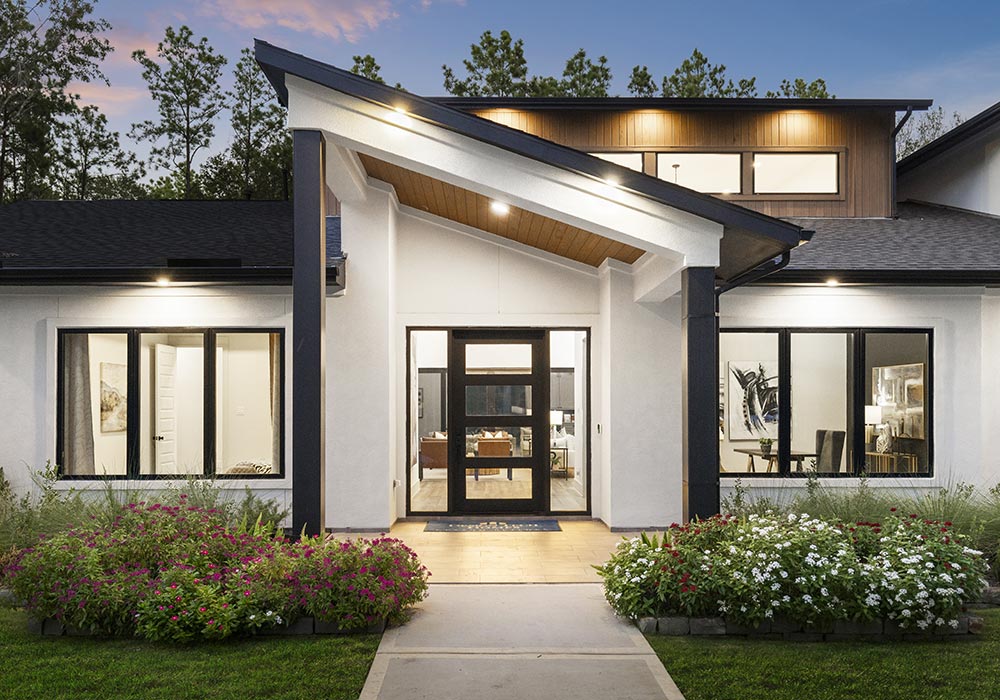
Thoughtfully designed gardens enhance the Design Tech Homes model at Republic Grand Ranch.
Why Native Landscaping Makes Sense for Texas Acreage Homes
Native landscaping for Texas acreage aligns property design directly with local soil and climate conditions. You get a clean, polished look using plants built for local conditions, keeping your outdoors beautiful without constant intervention.
The experts at Texas A&M AgriLife Extension note that native species arrive equipped for local heat, dry spells, and native pests. Educational resources like Texas SmartScape reinforce this, showing that well-adapted plants need far less water, fertilizer, and pesticide than traditional lawns or exotic ornamentals.
That matters on acreage. Choosing hardy plants early saves money on replacement costs, lowers your water bill, and keeps your weekends free.
Before planting, walk your homesite and map out a few basics:
- Afternoon sun exposure
- Naturally shaded areas
- Drainage paths after heavy rain
- Common wildlife tracks
Catching these details upfront helps you place plants where they will thrive naturally, creating a seamless connection between your home and the surrounding land.
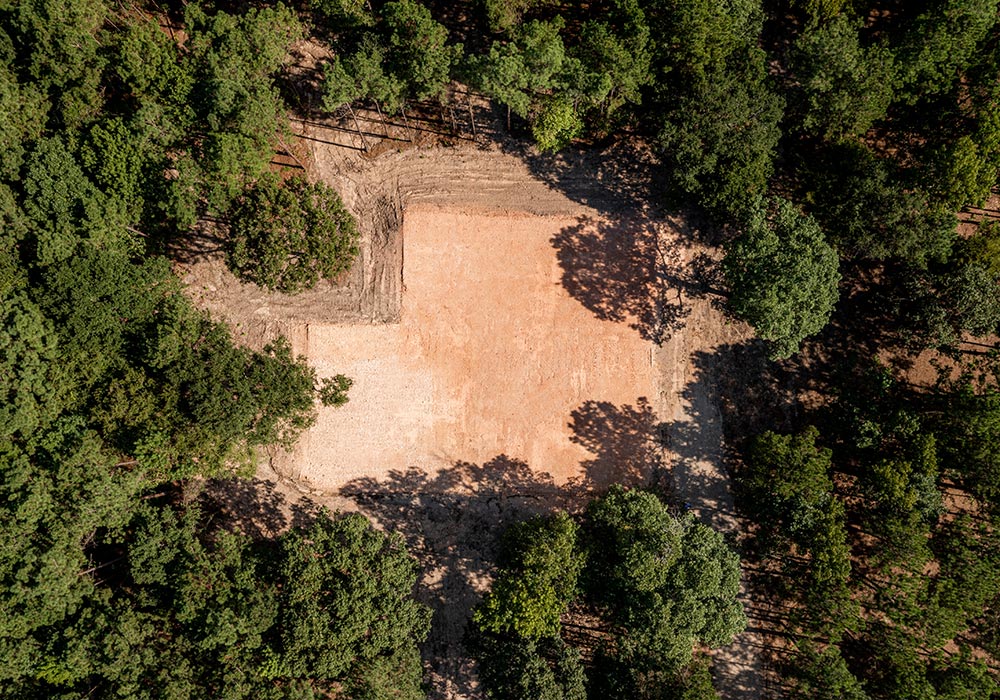
Consider how the sun moves across your homesite before planting.
Which Deer-Resistant Native Plants Should Republic Grand Ranch Owners Consider?
Living on an acreage homesite surrounded by the forest means sharing space with local wildlife. While deer are a natural part of the setting, they do not have to ruin your landscaping. You simply need a realistic plant list.
The experts at the Lady Bird Johnson Wildflower Center sum up the strategy well:
“Few plants are completely deer resistant… Deer tend to avoid plants with aromatic foliage, tough leathery or prickly leaves, or plants with milky sap.”
Using those characteristics as a guide, several reliable regional performers stand up well to deer pressure:
- Aromatic Perennials & Shrubs: Autumn sage, Texas sage, flame acanthus, and rosemary
- Hardy Color & Texture: Texas lantana, Turk’s cap, American beautyberry, and agarita
- Grasses & Ground Cover: Gulf muhly and inland sea oats
- Screening & Structure: Yaupon holly and dwarf yaupon holly
Even resistant species need extra protection when they are young and tender. Using temporary wire cages, trunk guards, or netting during the first season keeps hungry deer and bucks rubbing velvet from damaging your investment before roots are fully set.
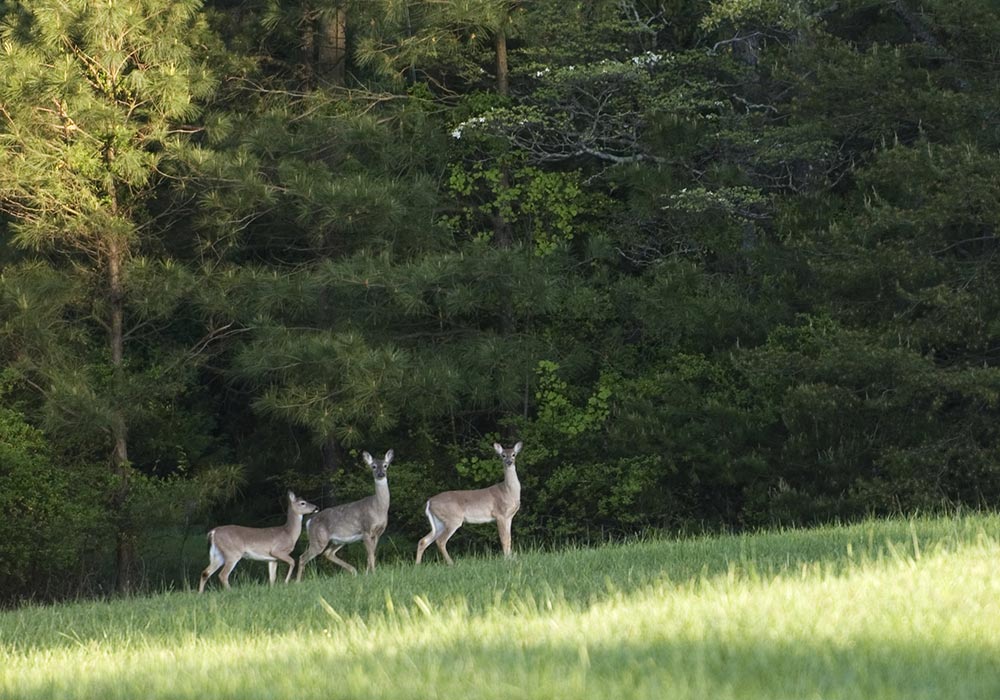
White-tailed deer are frequent visitors at Republic Grand Ranch.
What Should Owners Plant in Year One, Year Three, and Year Five?
Acreage landscaping works best in phases. Trying to plant an entire property at once often leads to overspending, overplanting, and fighting the local terrain before you fully understand your site.
Design experts in the American Society of Landscape Architects’ Sustainable Residential Design Guide recommend starting with a flexible master site plan. This gives you a clear roadmap so you can build out your property over time without losing visual cohesion.
Here is a practical timeline for a Willis-area homesite:
Year One: Protect and Prioritize:
- Save native trees: Keep heavy construction equipment away from the root zones of mature pines and oaks.
- Map infrastructure first: Lock in your driveway, home footprint, septic field, drainage paths, and future pool or patio spaces before digging beds.
- Start at the entrance: As Texas A&M AgriLife Extension suggests, focus initial planting on high-visibility zones: your front entry, foundation corners, and main patio. Add local compost to help roots break through Willis’s dense clay or sandy loam pockets.
Year Three: Expand What Works:
By summer three, you’ll know where the afternoon sun bakes hardest, where rain runoff collects, and which paths local deer travel.
- Scale up beds: Expand main planting zones, lay gravel or stone walkways, and plant evergreen screens like yaupon holly or wax myrtle.
- Repeat top performers: Take the native plants that survived their first two Texas summers with minimal extra water and repeat them across new beds for visual flow.
Year Five: Refine and Simplify:
By year five, your initial footprint is mature and established.
- Edit high-maintenance spots: Swap thirsty plants that needed too much hand-watering for tougher local natives like Gulf muhly or Texas sage.
- Divide and refresh: Divide thriving perennials (like black-eyed Susans or coneflowers) to fill new beds for free, top off native pine straw mulch, and sharpen bed borders.
Phasing a landscape prevents losses on plants unsuited to local sun and soil conditions, ensuring the home integrates seamlessly into the East Texas landscape.
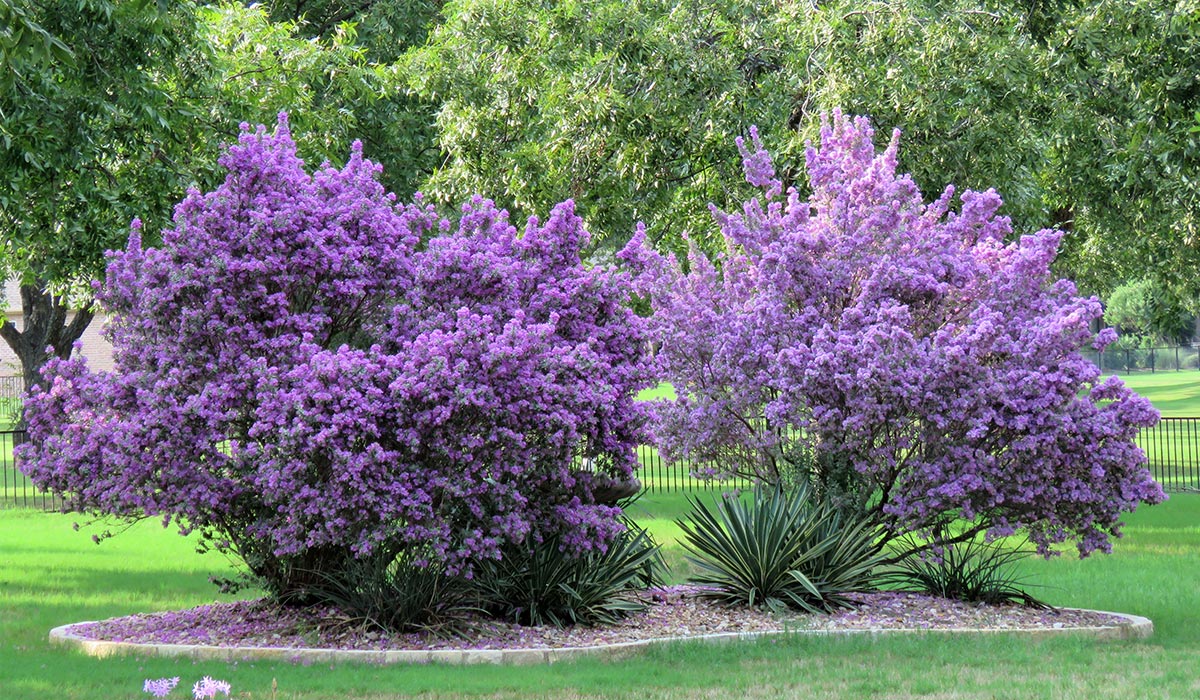
Texas sage is a favorite for colorful, low-maintenance landscapes.
Top Low-Water Native Plants for Willis Homesites
Matching native plants to your property’s lighting and soil (from Piney Woods sand to heavy clay) ensures a thriving landscape that handles Texas heat with minimal water.
Full Sun (Open Yards, Beds & Driveways):
- Perennials: Autumn Sage, Mealy Blue Sage, Texas Lantana, Purple Coneflower, Black-Eyed Susan, Firewheel
- Native Grasses: Gulf Coast Muhly, Little Bluestem, Lindheimer’s Muhly
Part Shade to Shade (Pine Canopy & Tree Lines):
- Perennials & Groundcover: Turk’s Cap, Cedar Sage, Pigeonberry, Frostweed
- Understory Shrubs & Grasses: American Beautyberry, Inland Sea Oats
Structure & Privacy Screening
- Yaupon & Dwarf Yaupon Holly: Tough, evergreen foundation and border shrubs.
- Southern Wax Myrtle: Fast-growing evergreen screen that loves local soil.
- Possumhaw Holly: Deciduous shrub featuring striking red winter berries.
- Virginia Sweetspire: Compact native with white spring blooms and vibrant fall color.
Local Tip on Texas Sage: While popular across the state, Texas sage struggles in Willis’s humidity and heavy clay. Swap it for Yaupon or Wax Myrtle, or plant it in elevated beds with added gravel for drainage.
Native does not mean zero water on day one. Give new plants 12 to 18 months of regular deep watering to establish their root systems. After that, they can handle local conditions on their own.
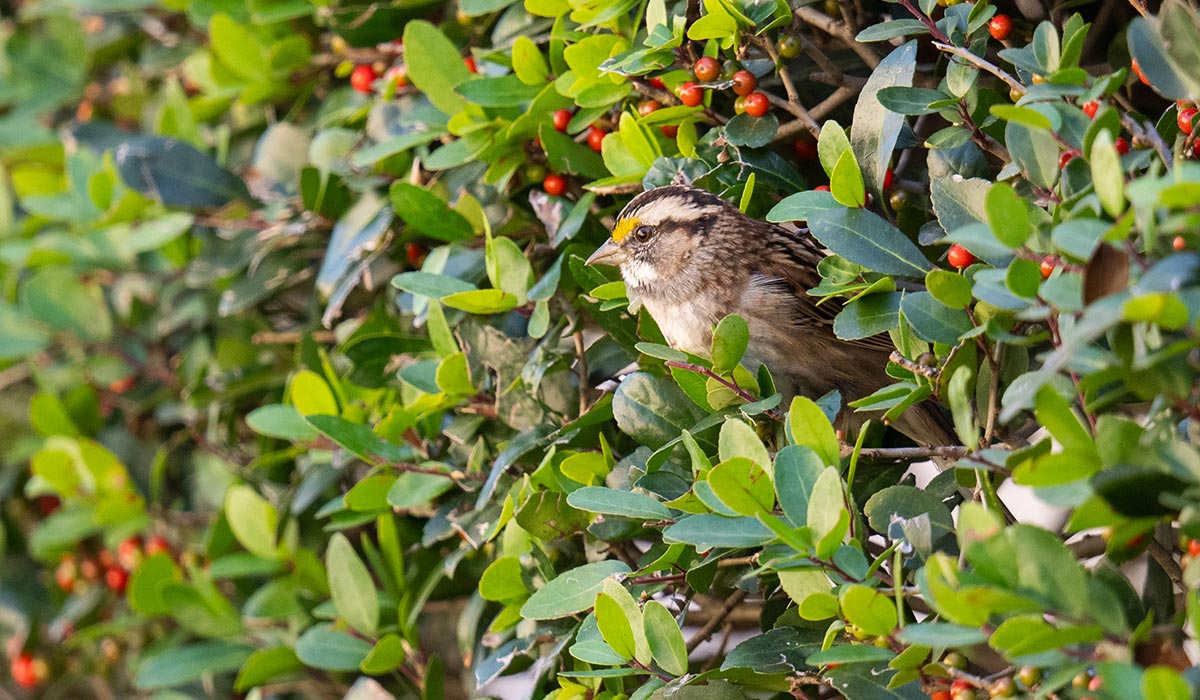
A white-throated sparrow perched within a yaupon holly bush.
Where Can Owners Find Native Plants Near Willis and Conroe?
Plant availability fluctuates throughout the year. It is best to call ahead and ask for specific native plants by name before visiting.
- The Growers Outlet (Willis)
A family-owned retail garden center offering Texas-adapted and native plants specifically suited for Houston-area landscapes. - Nature’s Way Resources (Conroe)
An organic garden center and eco-conscious nursery stocking native Texas plants, shade trees, and natural soils. - The Arbor Gate (Tomball / Near The Woodlands)
A regional destination garden center specializing in organic gardening practices, native perennials, and pollinator plants. - Texas Native Nursery (Greater Woodlands Area)
Focuses exclusively on native Texas flora, including hand-seeded wildflowers, native grasses, and habitat restoration species. - Native Plant Society of Texas – Pines and Prairies Chapter (Montgomery County)
A local plant conservation group that hosts bi-annual (spring and fall) sales featuring hard-to-find Texas native species grown by local experts.
Whether you are looking to support local pollinators or build a drought-tolerant landscape, these local sources offer the native species and expertise to help your garden thrive.
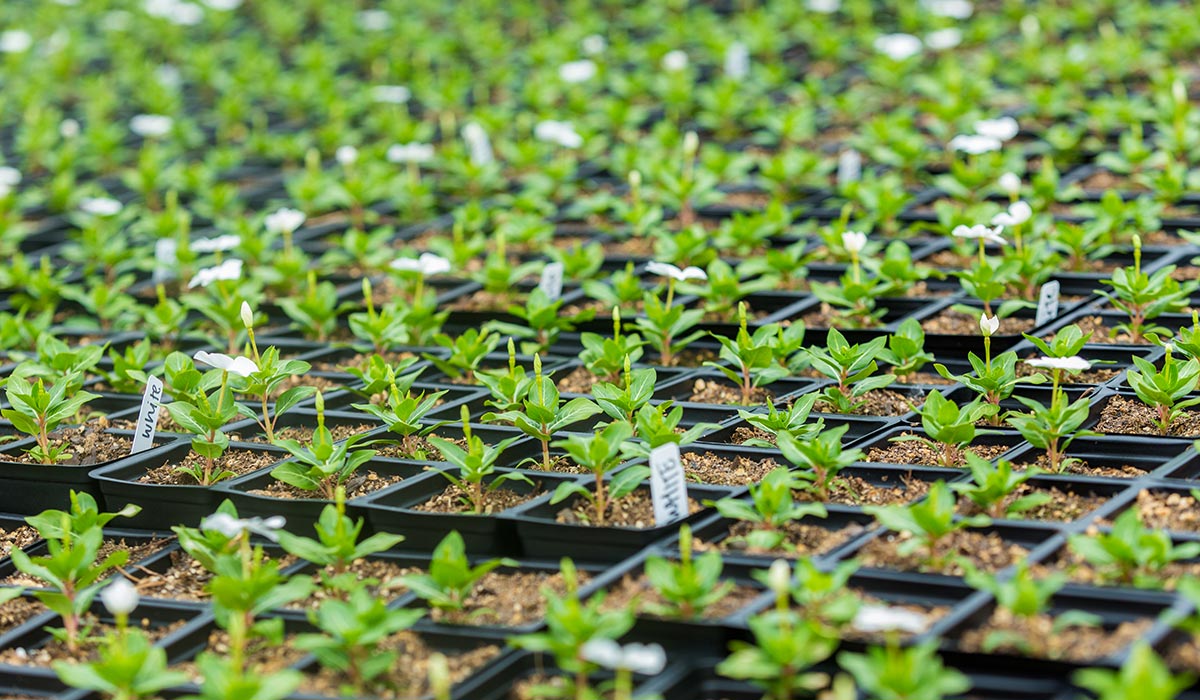
Small green plants growing inside a greenhouse.
Final Thoughts: Design with the Land
Native landscaping for Texas acreage offers a practical, low-maintenance approach to homesite living at Republic Grand Ranch. By pairing drought-tolerant plants with a phased installation plan, you protect your investment while seamlessly integrating your custom home into its wooded surroundings.
Your Next Step
Ready to see Republic Grand Ranch for yourself? Schedule a private tour or follow along for updates on new land releases:
The Patten Properties Difference
Backed by over 40 years of experience, 600+ communities, and $1 billion in land sales, Patten Properties develops acreage communities with strong infrastructure, natural preservation, and long-term value in mind.
We find the land. You make it home.
Featured Properties
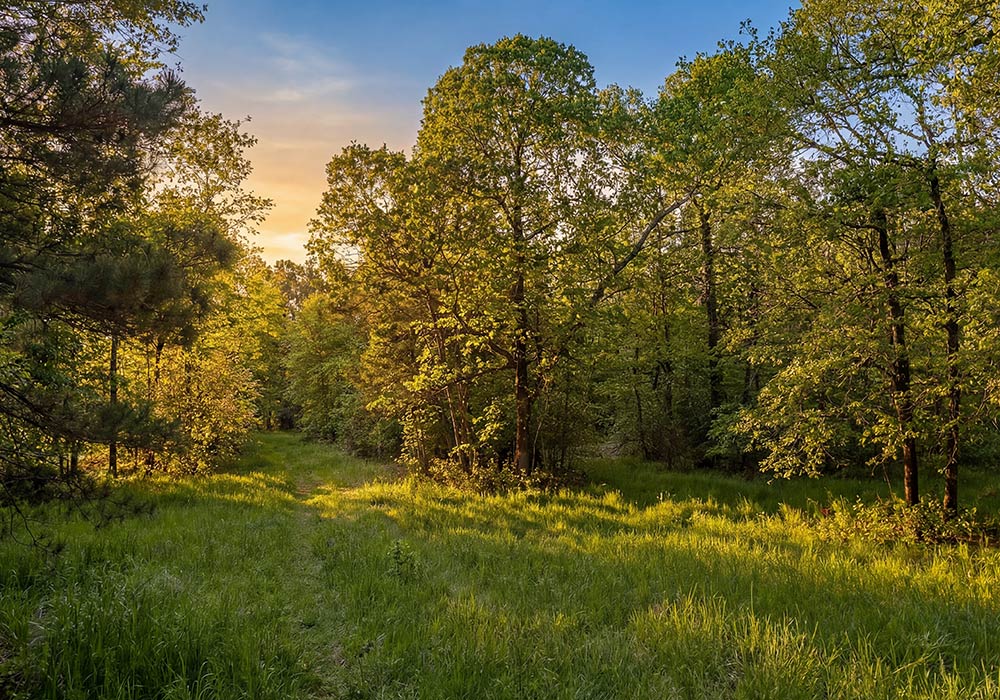
Legacy Grand Ranch
A woodland community north of Houston, offering 3 to 5-acre estates where family legacies begin, with mature oak trees, rolling terrain, modern infrastructure, and convenient access to the National Forest, Lake Raven, Lake Conroe, and Lake Livingston.
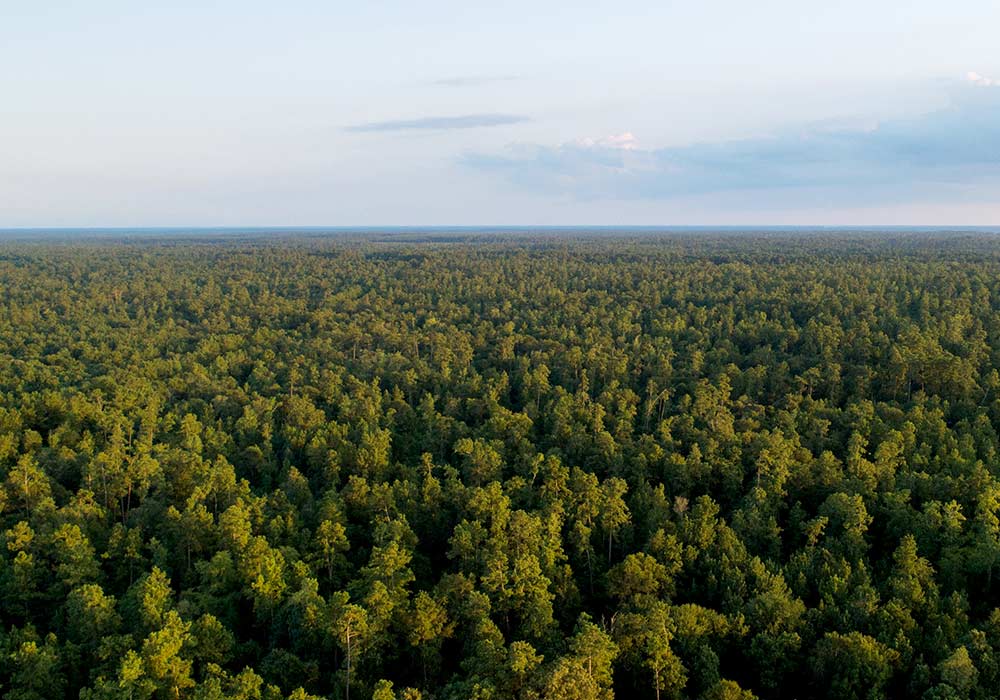
The Estates of Texas Grand Ranch
Just north of The Woodlands, tucked away in a private, secluded setting. 1 to 3 acre properties surrounded by National Forest and bordering 2,000 acres of protected State Park with easy access to I-45.
Pecan Plantation
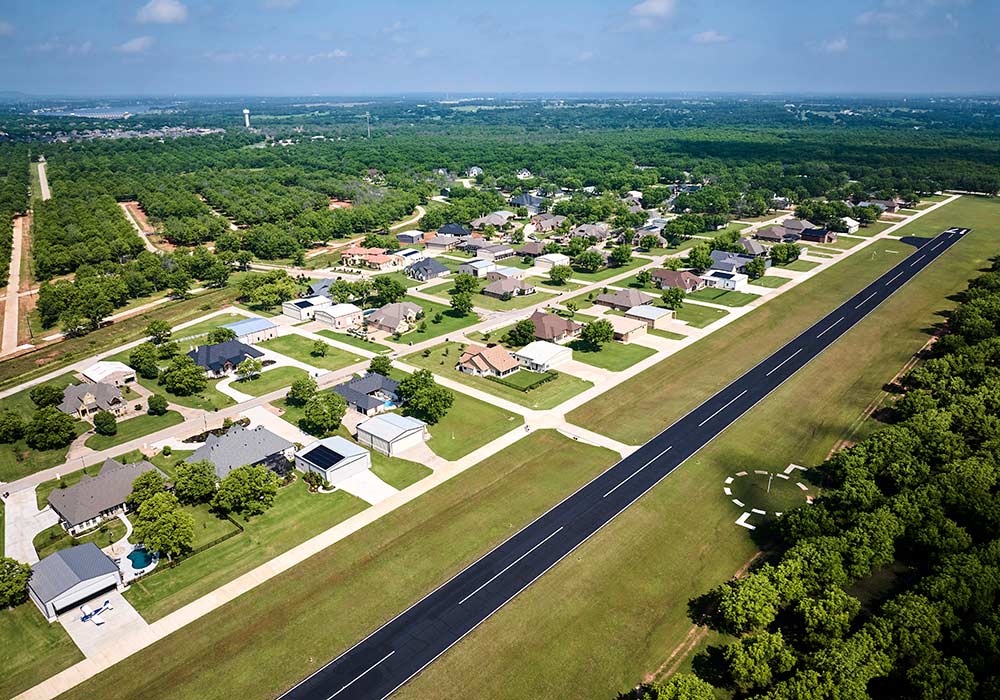
A very unique opportunity to live in one of the most amenitized communities in Texas. Featuring a full-service clubhouse, activity center, pools, golf, tennis, marina, airport runways, and riverside parks.
Republic Grand Ranch
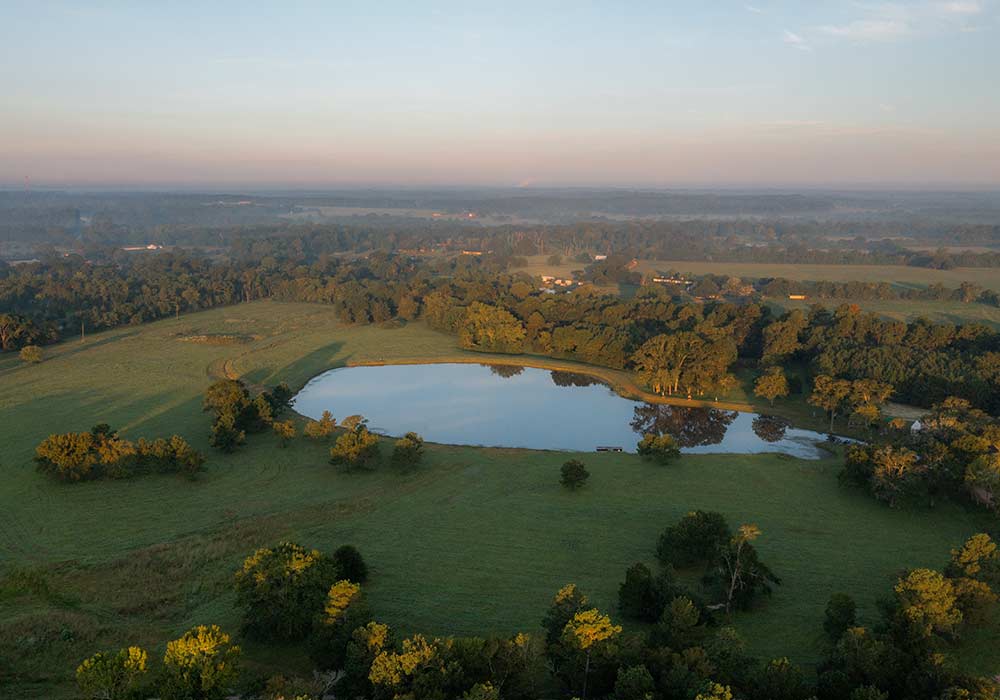
Secure your legacy at Republic Grand Ranch, a high-elevation wooded paradise north of The Woodlands. Features include private parks, an 8-acre private, stocked fishing lake, and walking and hiking trails.
Deer Forest
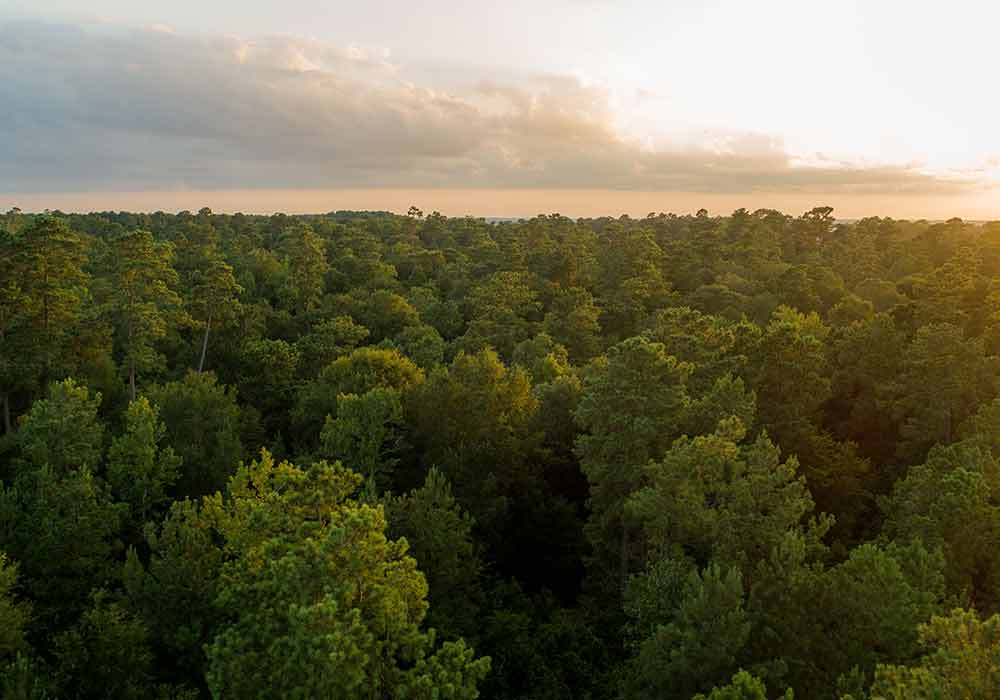
One of the most desirable large acreage communities in Texas. Enjoy the privacy of a secluded, forested setting with easy access to I-45 and everyday conveniences.
0 Comments